June 30, 2026
Outdoor kitchens have become one of the most sought-after additions for homeowners who enjoy spending time outside with family and friends. By bringing food preparation, cooking, and dining into the open air, these spaces create a welcoming environment that encourages conversation and relaxation. Whether hosting casual weekend barbecues or elegant evening gatherings, a thoughtfully designed outdoor kitchen can significantly improve the entertaining experience.
Creating an outdoor kitchen involves more than simply placing a grill on a patio. Careful planning is required to ensure the space is functional, durable, and visually appealing. Working with experienced hardscaping contractors can help homeowners develop a cohesive design that integrates seamlessly with the rest of the landscape while meeting their unique entertaining needs.
What Are the Essential Features of an Outdoor Kitchen?
The most successful outdoor kitchens combine convenience, efficiency, and comfort. Selecting the right features ensures the space can accommodate everything from intimate family dinners to larger social events.
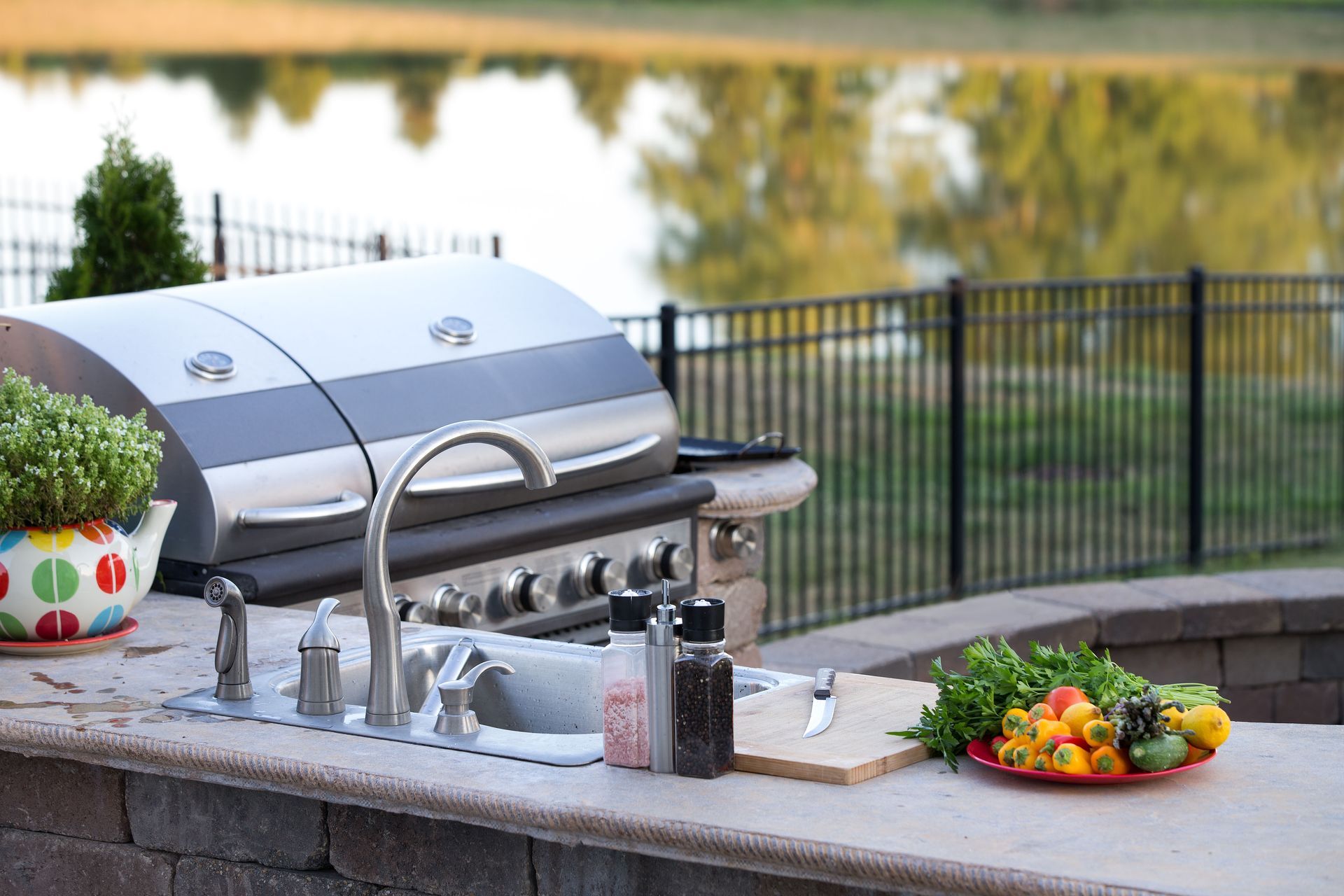
A high-quality grill is often the centerpiece of an outdoor kitchen. Available in various sizes and fuel types, grills provide the primary cooking surface and should be selected based on how frequently the space will be used and the number of guests typically entertained.
Adequate countertop space is another essential component. Food preparation, serving, and cleanup become much easier when there is ample room to work. Durable countertops also contribute to the overall appearance of the kitchen and help define the cooking area.
Storage solutions are equally important. Outdoor-rated cabinets and drawers keep cooking utensils, dishes, and supplies organized and protected from the elements. This reduces trips back and forth between the indoor and outdoor kitchens.
Many homeowners also incorporate appliances such as refrigerators, sinks, ice makers, and beverage centers. These additions increase convenience and allow hosts to remain engaged with guests while preparing meals.
Comfortable seating and dining areas should not be overlooked. Built-in seating walls, bar counters, and outdoor dining tables create designated gathering spaces where guests can relax and enjoy the experience. Skilled hardscaping contractors often design these features to complement surrounding patios, walkways, and landscaping elements.
Lighting is another critical feature that extends the usability of an outdoor kitchen into the evening hours. Task lighting near cooking areas and ambient lighting around seating spaces improve both safety and atmosphere.
How Do Hardscaping Contractors Enhance Outdoor Kitchen Design?
Designing an outdoor kitchen requires balancing aesthetics, functionality, and durability. This is where professional hardscaping contractors play a valuable role.
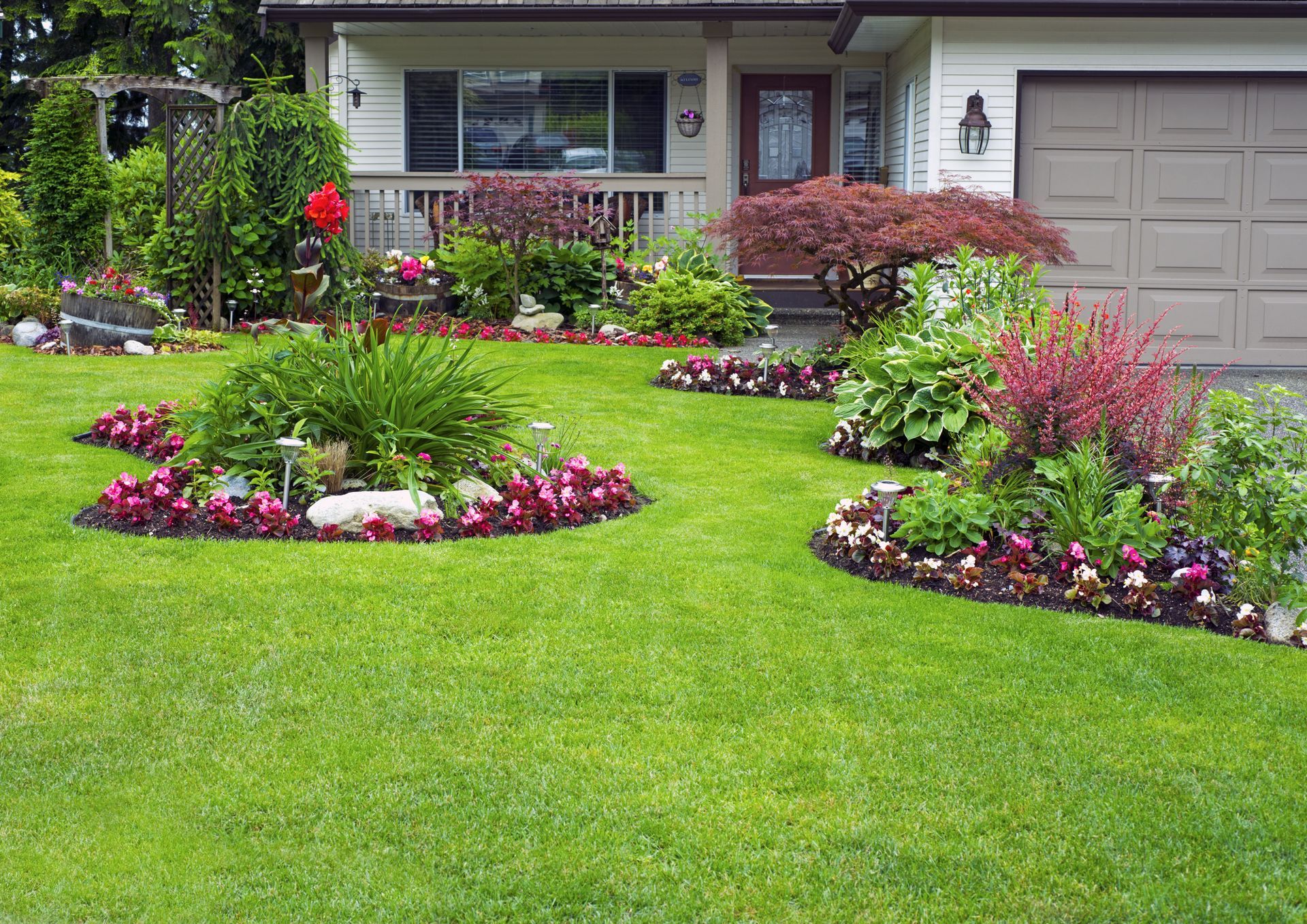
One of the primary benefits of working with hardscaping contractors is their ability to create a unified outdoor environment. Rather than treating the kitchen as a standalone feature, they consider how it interacts with patios, retaining walls, fire features, pathways, and landscaping. This comprehensive approach results in a cohesive design that enhances the entire property.
Site preparation is another area where hardscaping contractors provide significant value. Outdoor kitchens require stable foundations capable of supporting heavy appliances, countertops, and structural elements. Proper grading and drainage are also necessary to prevent water damage and extend the life of the installation.
In addition, hardscaping contractors help homeowners determine the ideal location for the kitchen. Factors such as accessibility, prevailing winds, sun exposure, and proximity to the indoor kitchen all influence placement. Strategic positioning can improve workflow while creating a more comfortable environment for guests.
Professional contractors also have extensive knowledge of local building codes and permit requirements. Their expertise helps ensure that gas lines, electrical systems, and plumbing connections are installed safely and correctly.
Another advantage is customization. Experienced hardscaping contractors can design features tailored to specific entertaining styles. Some homeowners may prioritize expansive dining areas, while others prefer outdoor bars, pizza ovens, or built-in smokers. Customized solutions help maximize the usefulness of the space.
According to WorldMetrics.org, outdoor kitchens are installed in a variety of locations, with 42% located in backyards, 35% built on patios, and 23% incorporated into decks or porches. These figures highlight the versatility of outdoor kitchen designs and demonstrate how hardscaping contractors can adapt plans to fit different property layouts.
What Materials Are Best Suited for Outdoor Kitchens?
Material selection has a significant impact on the longevity, performance, and appearance of an outdoor kitchen. Since outdoor environments expose surfaces to moisture, sunlight, temperature fluctuations, and heavy use, durability should always be a top priority.
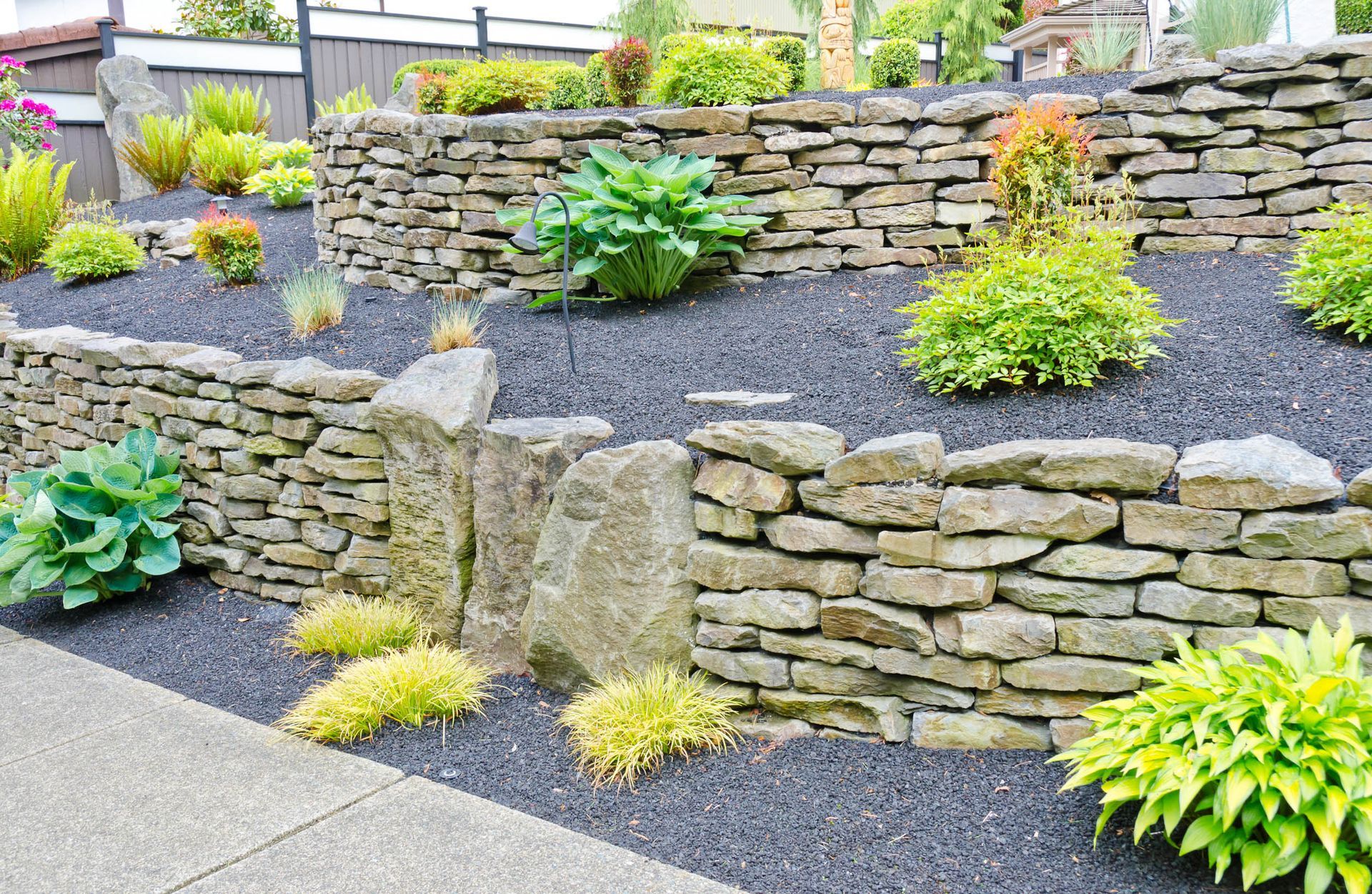
Natural stone remains one of the most popular choices for outdoor kitchen construction. Materials such as granite, limestone, and slate offer exceptional durability while providing timeless beauty. Stone surfaces can withstand weather exposure and often improve in character over time.
Concrete is another versatile option frequently recommended by hardscaping contractors. It can be customized with various finishes, textures, and colors to complement nearly any design style. Properly sealed concrete is highly durable and resistant to outdoor conditions.
For countertops, granite is widely regarded as one of the best choices. Its resistance to heat, moisture, and scratches makes it particularly well-suited for outdoor cooking environments. Some homeowners also choose concrete or specialized outdoor-rated quartz alternatives.
Stainless steel is commonly used for appliances, cabinetry, and fixtures because it resists corrosion and maintains a clean, modern appearance. High-quality stainless steel products can withstand years of outdoor exposure with minimal deterioration.
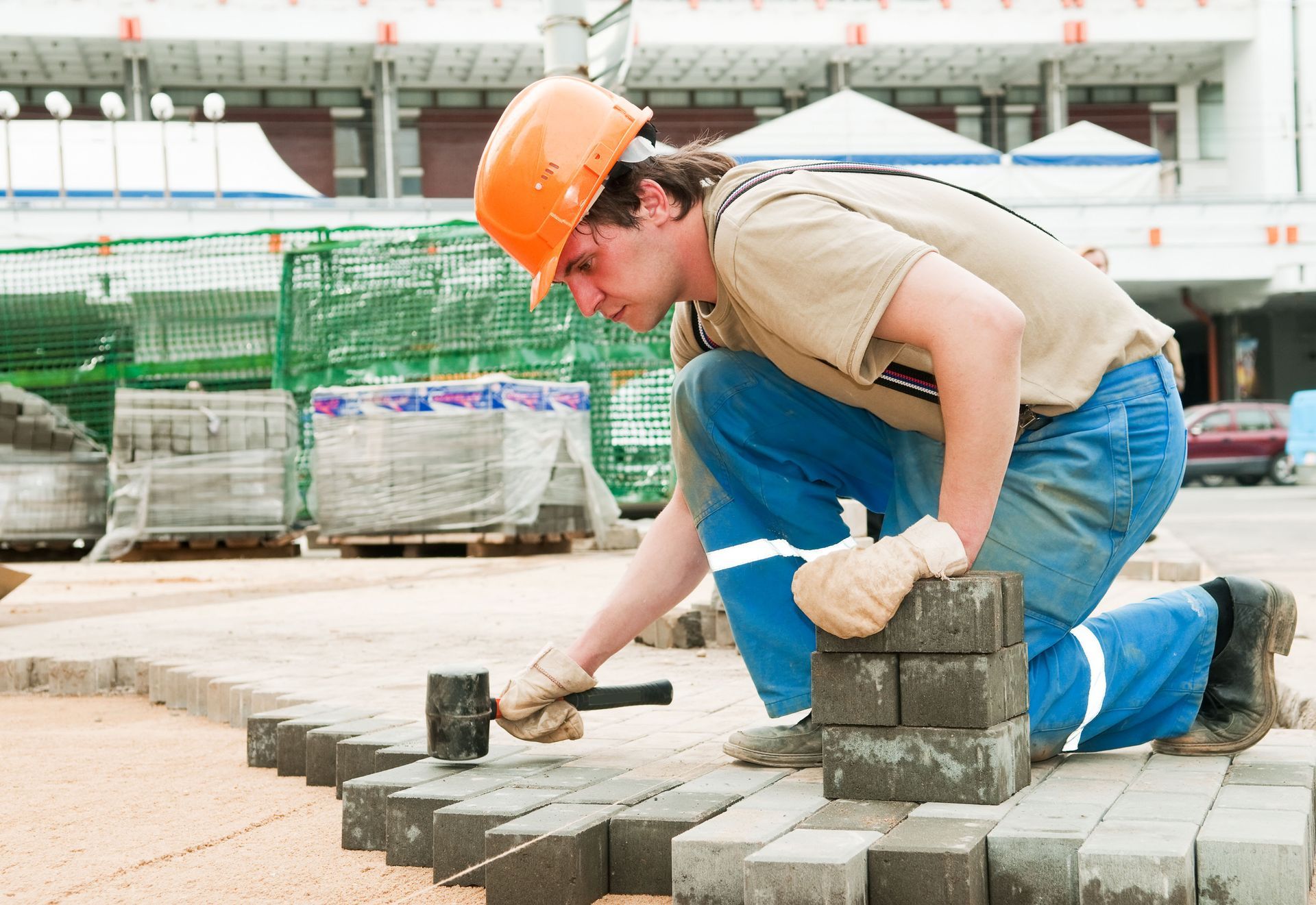
Brick and pavers are excellent materials for surrounding patios and walkways. These materials provide visual continuity and can be arranged in numerous patterns to create distinctive outdoor living spaces. Many hardscaping contractors utilize pavers because they offer both durability and design flexibility.
How to Maximize Space in a Small Outdoor Kitchen?
Limited outdoor space does not mean homeowners must sacrifice functionality. Thoughtful planning can transform even compact areas into efficient and attractive outdoor kitchens.
One of the most effective strategies is prioritizing essential features. Instead of including every available appliance, focus on elements that will be used most frequently. A grill, countertop workspace, and modest storage area may provide all the functionality needed for successful entertaining.
Built-in features can significantly improve efficiency. Integrated seating, storage compartments, and compact appliances reduce clutter while maximizing available square footage. Many hardscaping contractors specialize in creating multifunctional elements that serve several purposes simultaneously.
Vertical space is another valuable resource. Wall-mounted storage, shelving, and hanging accessories help keep supplies organized without occupying precious floor space.
Compact appliance models can also help optimize layout flexibility. Smaller refrigerators, sinks, and cooking stations often provide sufficient utility while preserving room for guest seating and movement.
Designing with clear traffic flow in mind is essential. Guests should be able to move comfortably throughout the space without interfering with food preparation activities. Professional hardscaping contractors often create layouts that separate cooking zones from social areas, improving both safety and functionality.
What Maintenance Is Required for an Outdoor Kitchen?
Regular maintenance helps preserve the appearance and performance of an outdoor kitchen while protecting the investment for years to come.
Routine cleaning is one of the most important tasks. Grills should be cleaned after each use to prevent grease buildup and maintain cooking performance. Countertops should also be wiped down regularly to remove food residue and debris.
Inspecting appliances periodically helps identify potential issues before they become major problems. Gas connections, electrical components, and plumbing fixtures should be evaluated to ensure they remain in proper working condition.
Many surfaces require occasional sealing to maintain their resistance to moisture and staining. Natural stone, concrete, and certain paver materials benefit from protective sealants that extend their lifespan.
Weather protection is equally important. Covers for grills, appliances, and furniture help shield surfaces from rain, snow, and prolonged sun exposure. In regions with harsh winters, some homeowners choose to winterize plumbing systems to prevent freezing damage.
Landscaping maintenance should also be considered. Overgrown vegetation can interfere with access, create moisture retention issues, and diminish the overall appearance of the space.
Hardscaping contractors often recommend maintaining adequate clearance around outdoor kitchen structures.
Bringing the conveniences of indoor cooking outdoors creates an inviting environment that enhances gatherings of all sizes. From selecting durable materials to optimizing layouts and integrating attractive hardscape features, every design decision contributes to the overall success of the space. By partnering with skilled hardscaping contractors, homeowners can create an outdoor kitchen that blends beauty, functionality, and long-term durability, providing the perfect setting for memorable entertaining year-round. If you're looking for an outdoor kitchen, reach out to the team at Architerra today!