March 9, 2026
Hardscaping plays a critical role in shaping how a property looks, functions, and holds value over time. While landscaping often focuses on plants, lawns, and seasonal color, hardscaping refers to the permanent or semi-permanent features built from materials such as stone, concrete, brick, and pavers. These elements create structure within outdoor spaces, define how areas are used, and influence maintenance requirements year after year. When thoughtfully designed, hardscaping projects do more than improve curb appeal—they contribute to durability, usability, and long-term financial value.
Homeowners increasingly view outdoor areas as extensions of their living space. Patios become gathering areas, walkways improve circulation, and retaining walls solve grading challenges while adding visual interest. Unlike purely decorative updates, well-planned hardscaping investments are designed to withstand weather, foot traffic, and time. They also create outdoor environments that appeal to future buyers who value low maintenance and functional design. By choosing the right materials and layouts, homeowners can enhance daily enjoyment while making improvements that support resale value and long-term performance.
Creating Functional Outdoor Living Areas
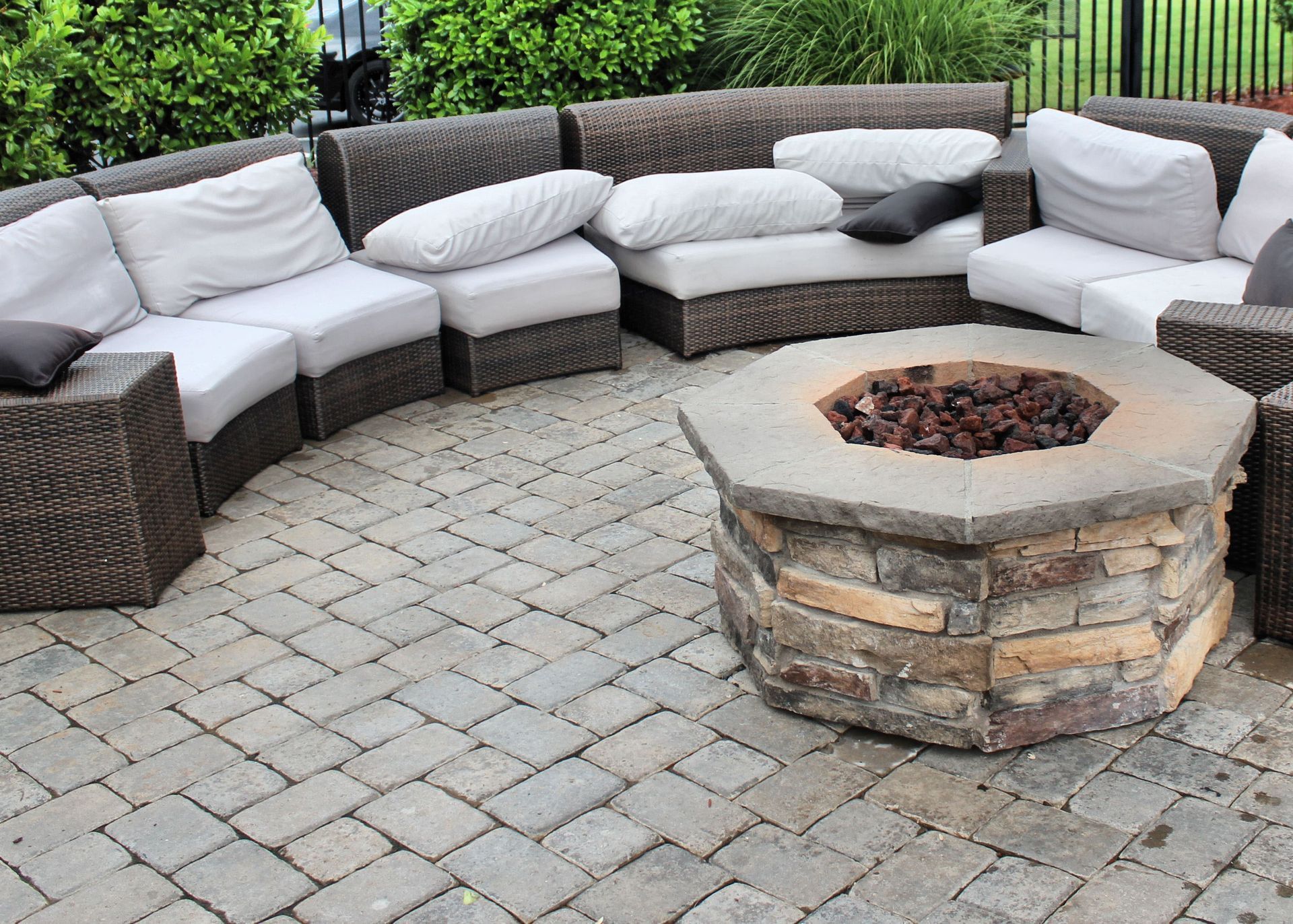
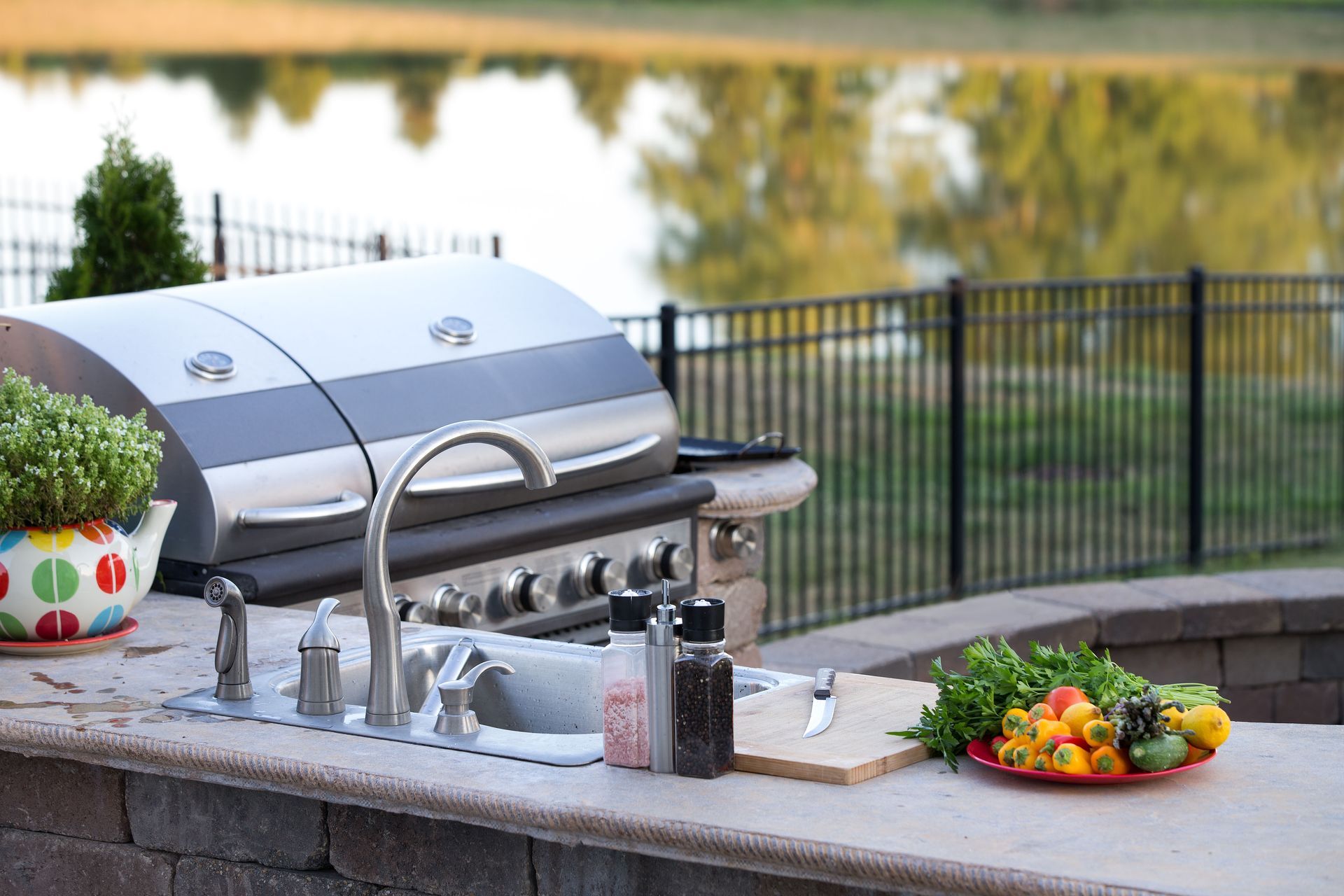
Outdoor living spaces are among the most impactful hardscaping projects a homeowner can undertake. Patios, seating areas, and outdoor dining zones extend usable square footage beyond the home’s interior. These spaces provide places for entertaining, relaxing, and spending time with family, making the property more versatile and appealing. From a value perspective, outdoor living areas are often viewed as lifestyle upgrades that enhance how a home is experienced rather than just how it looks.
The materials selected for these areas play a major role in longevity and maintenance. Stone pavers, poured concrete, and brick surfaces offer durability while allowing for design flexibility. A well-constructed patio resists cracking, drainage issues, and shifting, which helps preserve both appearance and functionality over time. When integrated seamlessly with the home’s architecture, outdoor living areas feel intentional and permanent, a key factor in long-term value.
Hardscaping in these spaces also helps define zones within the yard, guiding movement and use. Seating walls, fire pit surrounds, and built-in planters provide structure without relying on temporary furnishings. These permanent features reduce clutter and enhance usability, making the space attractive to homeowners who want outdoor enjoyment without constant upkeep.
Enhancing Curb Appeal Through Structured Design
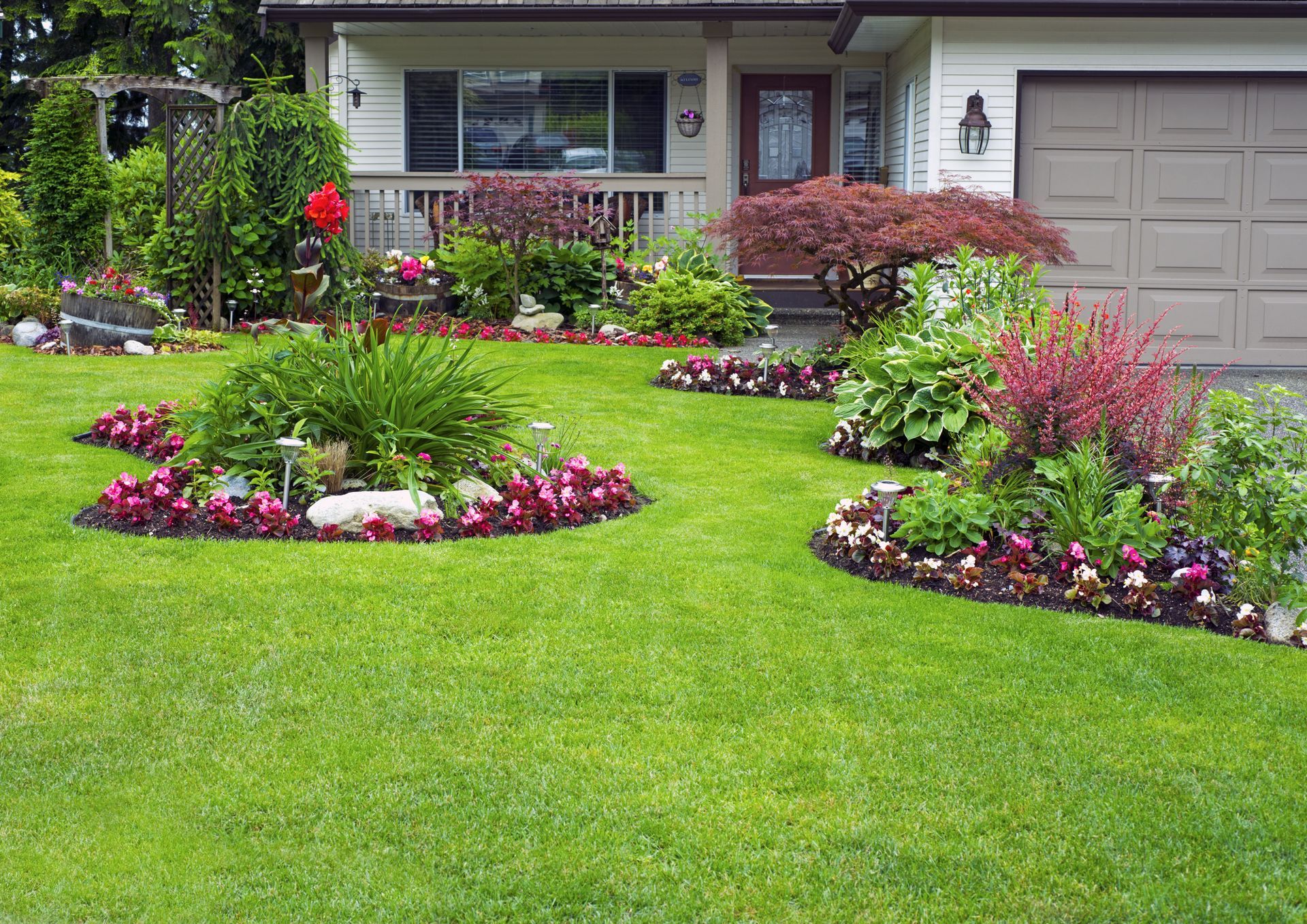
Curb appeal sets the tone for how a property is perceived, and hardscaping elements are central to creating a strong first impression. Driveways, walkways, entry paths, and front yard features shape how visitors and potential buyers experience a home from the moment they arrive. Structured design brings order and balance to outdoor spaces, helping the property appear polished and well-maintained.
Walkways constructed from pavers or natural stone guide visitors toward the entrance while providing safe, stable footing. Compared to gravel or dirt paths, these surfaces communicate permanence and quality. Driveway upgrades using decorative concrete or paver systems can dramatically elevate the look of a home, especially when coordinated with surrounding landscaping and architectural details.
According to Workyard, thoughtfully designed outdoor spaces can raise a property’s value by roughly 5.5% to 12.7%. This increase is often tied directly to first impressions and perceived quality. Hardscaping features that frame the home, highlight entry points, and create symmetry help buyers envision a well-cared-for property, which can influence both interest and offer price.
Improving Drainage and Site Stability
Beyond aesthetics, hardscaping projects often solve practical issues related to drainage, erosion, and soil movement. Poor water management can lead to foundation problems, landscape damage, pooling water, and long-term maintenance costs that grow over time. Incorporating properly designed hardscaping elements helps control water flow, redirect runoff, and stabilize the property in ways that traditional landscaping alone cannot achieve. These improvements protect both the home’s structure and surrounding outdoor features from gradual deterioration caused by excess moisture.
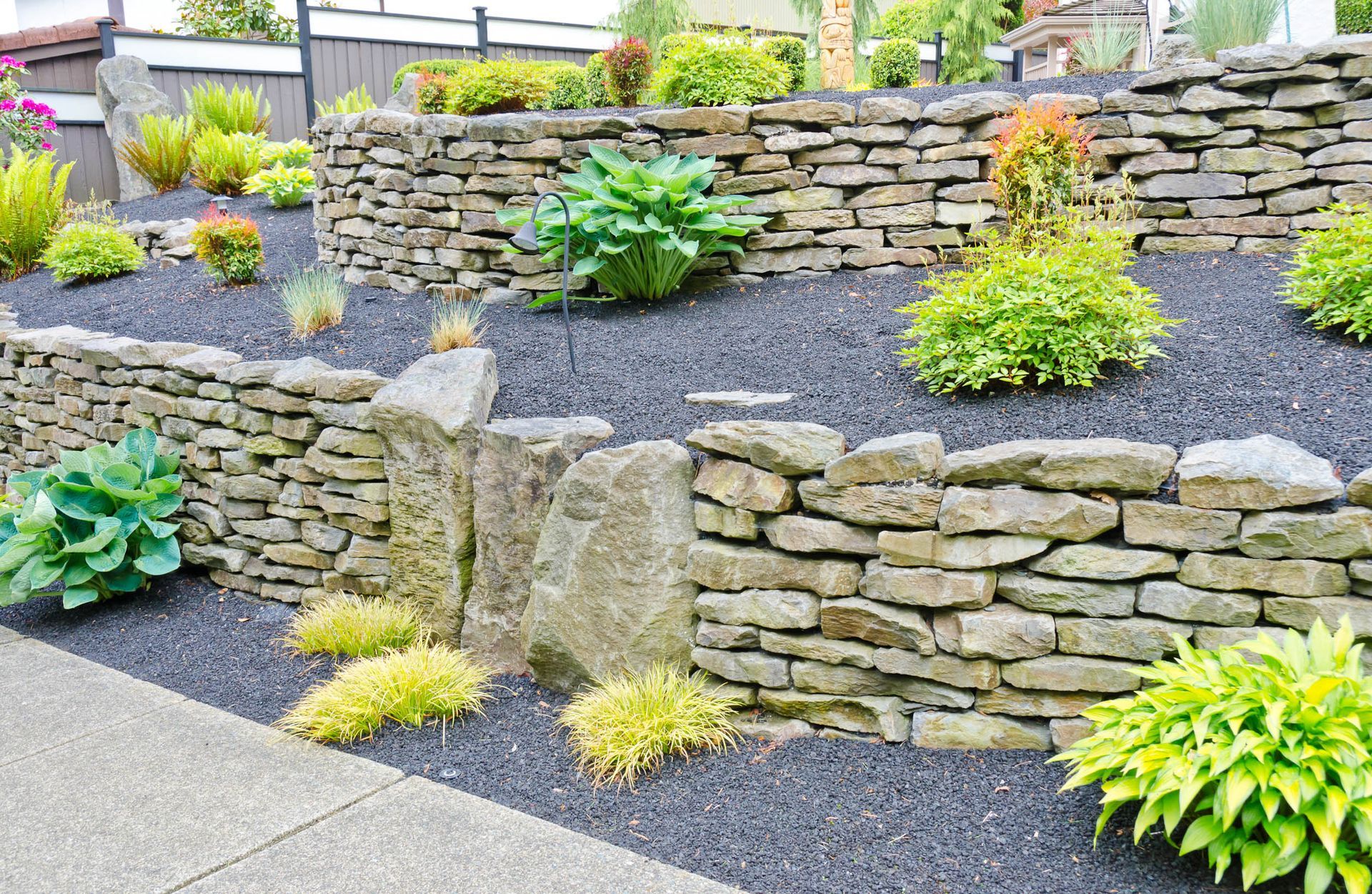
Retaining walls are a prime example of functional hardscaping that adds long-term value. These structures support sloped terrain, prevent erosion, and create usable flat areas in yards that would otherwise be difficult to maintain. In addition to structural support, retaining walls can be engineered to manage subsurface water pressure, reducing the risk of soil shifting or wall failure. When built with durable materials and proper engineering, retaining walls can last for decades while protecting the home’s foundation and landscape investment.
Permeable pavers and graded hardscape surfaces also play a critical role in managing runoff and surface water. These systems allow water to filter through the ground naturally rather than pooling or flowing toward vulnerable areas. By directing water away from the foundation and toward appropriate drainage zones, these features reduce the risk of water intrusion, frost heave, and surface damage. Buyers often appreciate properties with visible, well-planned drainage solutions, as they signal thoughtful design, reduced future repair costs, and long-term site stability.
Increasing Usable Space With Terracing
Terracing transforms sloped or uneven yards into functional outdoor spaces, making it a valuable hardscaping strategy for properties with challenging terrain. By creating multiple levels supported by retaining structures, homeowners gain flat surfaces suitable for seating areas, gardens, or play spaces. This approach maximizes land use while adding visual depth and architectural interest.
Terraced yards feel intentional and thoughtfully designed, which enhances perceived value. Each level can serve a distinct purpose, allowing homeowners to separate quiet relaxation zones from more active areas. Stone steps, integrated seating, and textured materials add both safety and aesthetic appeal, contributing to the overall experience of the space.
Hardscaping used in terracing also reduces long-term maintenance by minimizing erosion and simplifying mowing or landscaping tasks. Instead of struggling to maintain steep slopes, homeowners enjoy stable, accessible areas that are easier to care for. This balance of form and function supports long-term usability and makes the property more attractive to future buyers.
Adding Longevity With Durable Materials
Material selection is one of the most important factors influencing the lifespan and value of hardscaping projects. Natural stone, concrete pavers, and high-quality masonry products are designed to withstand weather fluctuations, heavy use, and time. Unlike temporary or decorative features, these materials age gracefully and require minimal replacement.
Durable materials contribute to consistent performance and appearance, reducing the need for frequent repairs. This reliability is especially appealing to buyers who want outdoor spaces that do not demand constant attention. Hardscaping built with quality materials also maintains structural integrity, preventing issues such as shifting, cracking, or drainage failure.
In addition to performance, materials influence design flexibility. Color variations, textures, and patterns allow homeowners to customize spaces while maintaining cohesion with the home’s architecture. When materials are selected with both aesthetics and durability in mind, hardscaping projects deliver lasting value that extends well beyond initial installation.
Supporting Low-Maintenance Outdoor Design
Low-maintenance design has become a priority for many homeowners, and hardscaping plays a central role in achieving this goal. Permanent surfaces reduce the need for frequent mowing, watering, and seasonal upkeep associated with traditional landscaping. This shift not only saves time but also lowers long-term maintenance costs.
Patios, walkways, and seating areas replace high-maintenance turf with durable surfaces that remain attractive throughout the year. Integrated hardscaping elements such as stone borders and defined edges help contain plantings and reduce overgrowth. These features create clean lines and organized spaces that require less intervention to maintain.
From a resale perspective, low-maintenance outdoor spaces are highly appealing. Buyers often look for homes that balance beauty with practicality, and hardscaping helps deliver that balance. By investing in structures that simplify care while enhancing usability, homeowners position their property as both attractive and manageable over the long term. Call Architerra today to discuss your next hardscaping project!