March 25, 2026
Strategic landscaping is more than surface-level beauty; it is a deliberate approach to shaping outdoor environments in ways that influence how a property is perceived, used, and valued. Property owners who invest thoughtfully in their landscape often see returns that extend beyond aesthetics, affecting functionality, environmental performance, and long-term market appeal. When outdoor spaces are designed with intention, they become an extension of the property’s overall value proposition rather than a decorative afterthought.
As demand for well-designed outdoor environments continues to grow, landscaping has become a defining factor in how properties stand out in competitive markets. From first impressions to long-term economic benefits, the right landscape decisions can elevate a property’s appeal while reinforcing its practical and emotional value for occupants and future buyers alike.
1. Enhance Curb Appeal
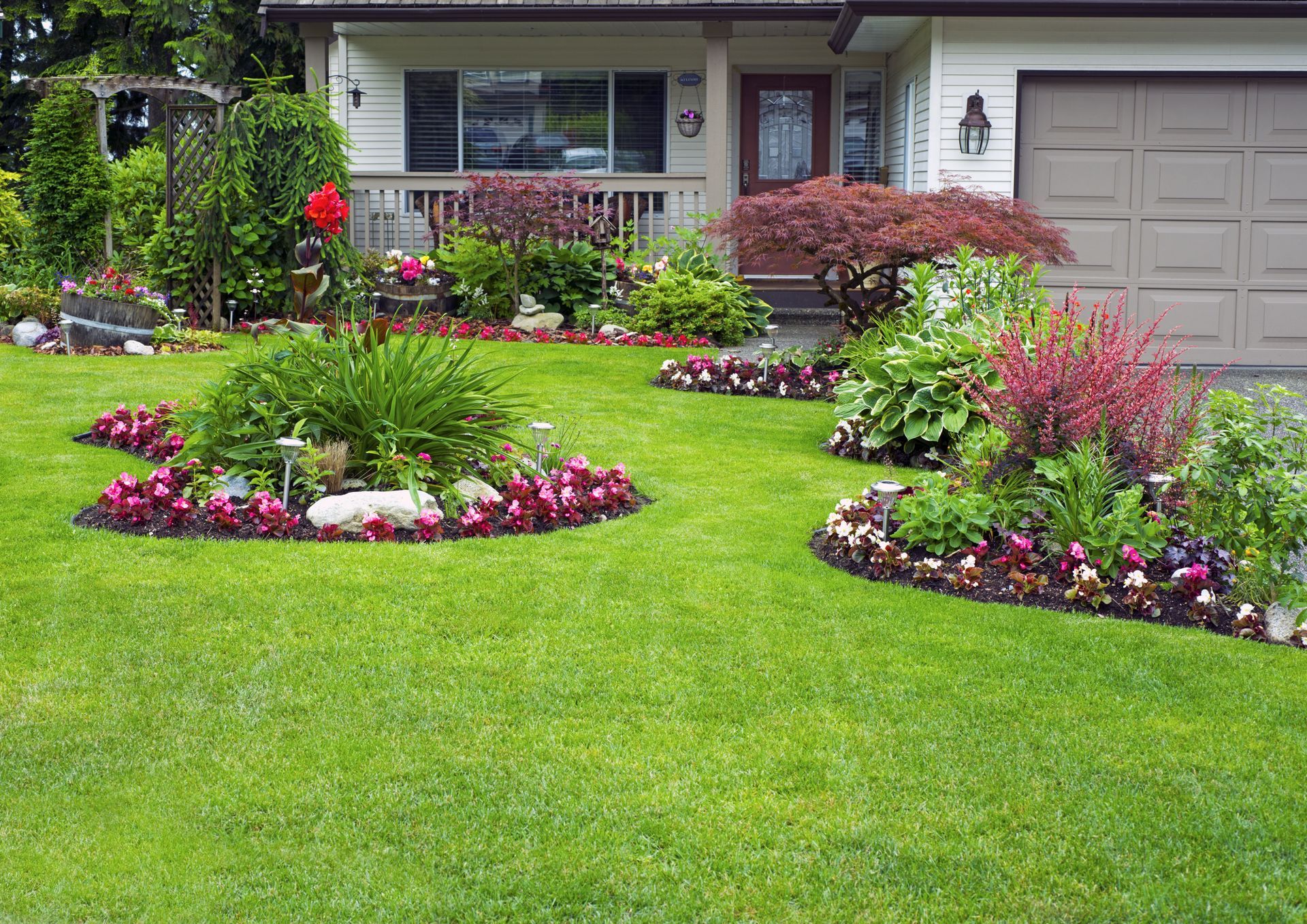
Curb appeal remains one of the most influential aspects of property perception, and landscaping is central to shaping that initial impression. Clean lines, healthy lawns, layered plantings, and cohesive design elements signal care, quality, and attention to detail before anyone steps inside. A property framed by intentional landscaping often feels more complete and inviting, setting a positive tone that influences how the rest of the space is evaluated.
Beyond simple maintenance, strategic landscaping introduces visual rhythm and balance that enhance architectural features rather than compete with them. Seasonal plantings, defined entryways, and distinctive focal points can keep the exterior engaging throughout the year. These thoughtful touches make a property memorable, which is especially valuable in neighborhoods where buyers compare multiple options with similar interior features.
2. Improve Functional Outdoor Spaces
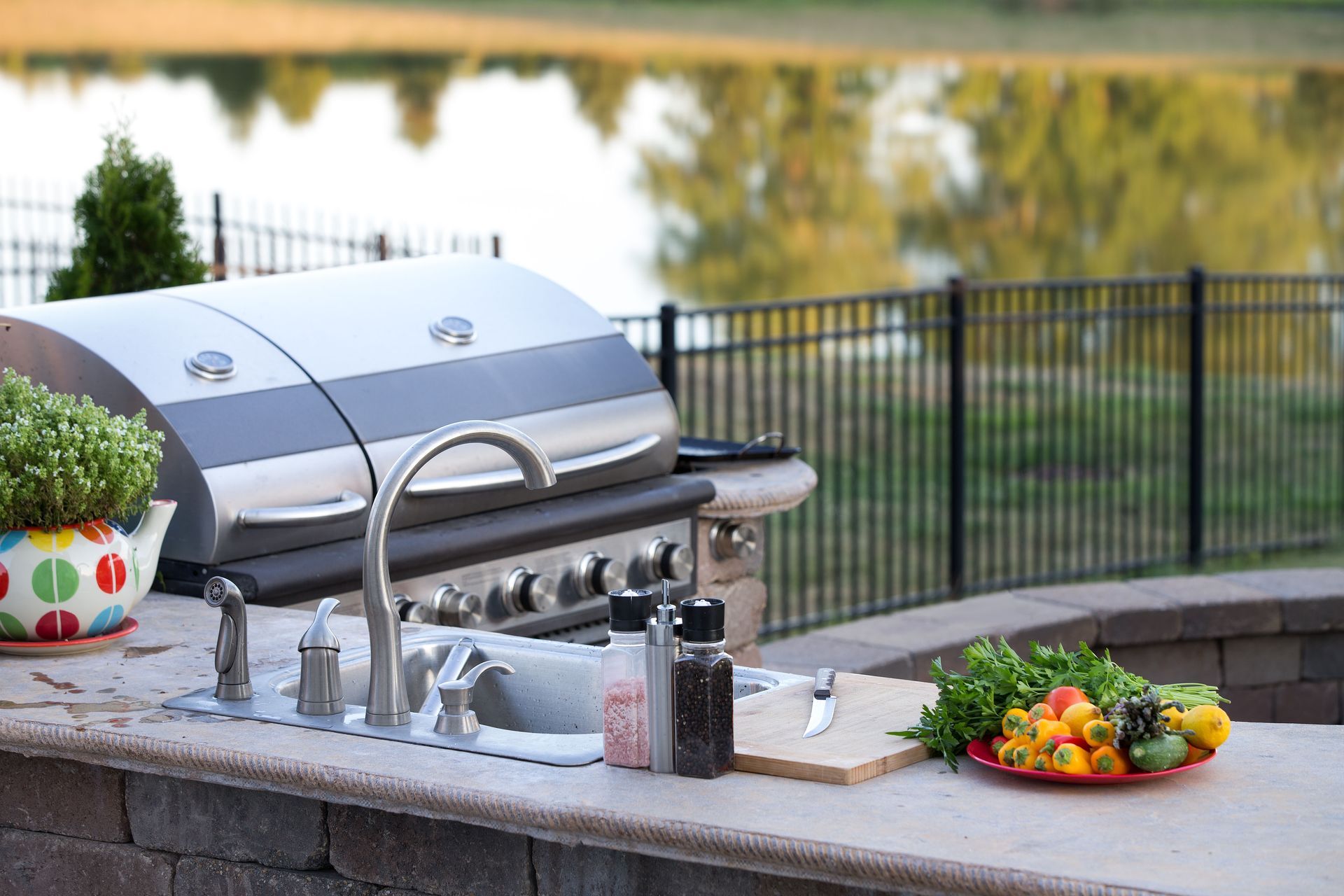
Well-planned landscaping transforms outdoor areas into usable living spaces rather than unused ground. Patios, walkways, seating areas, and multi-purpose zones extend how a property functions on a daily basis. When landscaping is designed to support outdoor dining, relaxation, or recreation, it increases the usable square footage of the property without altering the building itself.
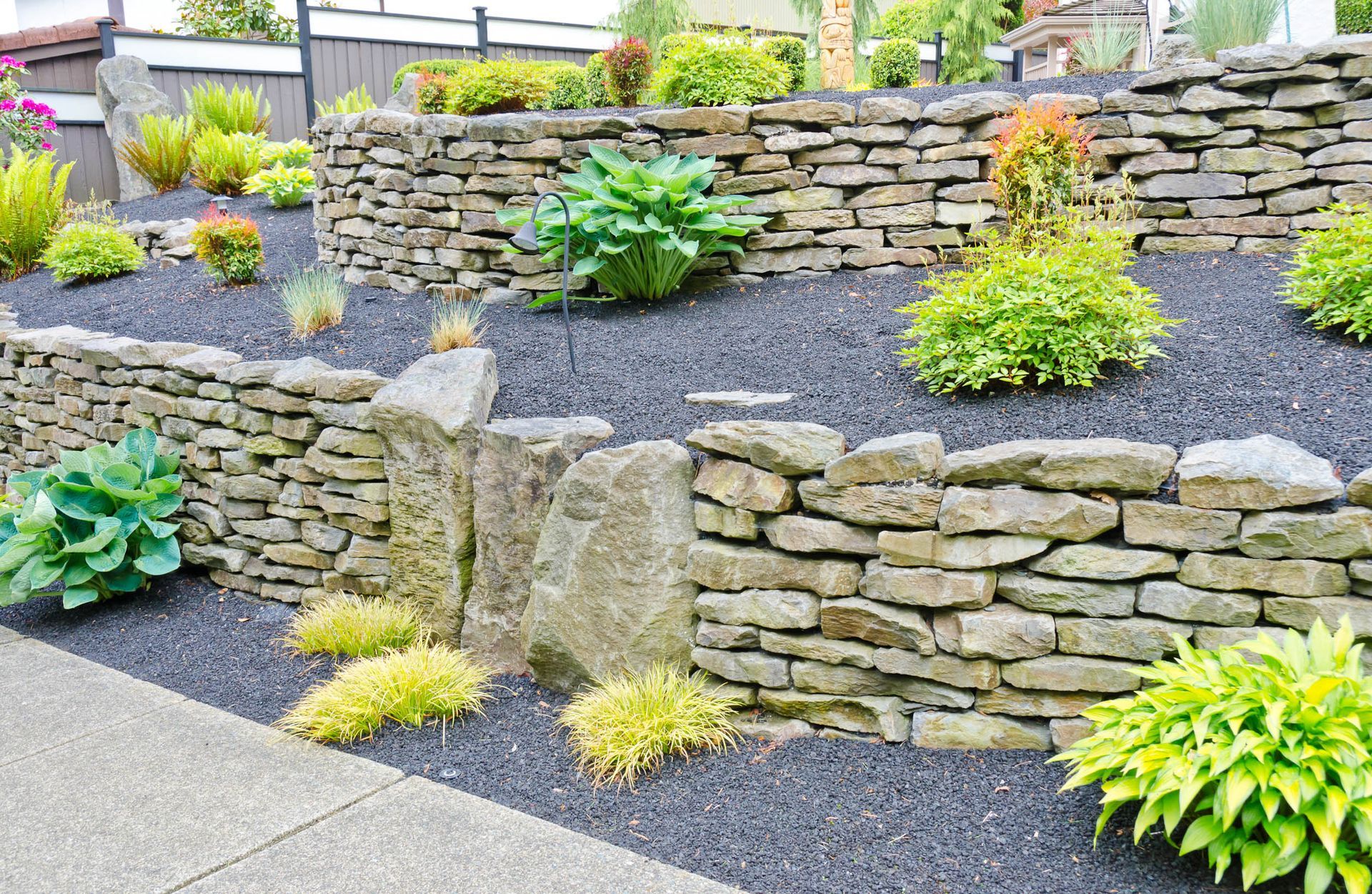
Functionality also depends on how the landscape organizes movement and activity. Defined pathways, balanced hardscape elements, and intentional transitions between spaces make outdoor areas feel intuitive and comfortable. This sense of usability appeals to buyers who value properties that support flexible lifestyles, reinforcing the idea that the landscape directly contributes to everyday convenience and enjoyment.
3. Maximize Environmental Benefits
Environmental performance has become an important consideration in property value, and landscaping plays a key role in addressing it. Strategic placement of trees and plantings can help moderate temperatures, reduce exposure to harsh elements, and create more comfortable outdoor environments. These benefits enhance livability while also supporting energy efficiency at the property level. Over time, this thoughtful approach can contribute to lower operating demands and a more resilient property design that appeals to environmentally aware buyers.
Sustainable landscaping practices further strengthen long-term value by reducing resource demands and ongoing maintenance requirements. Native plants, water-conscious designs, and balanced ecosystems demonstrate responsible land stewardship. According to Workyard, the U.S. landscaping services industry reached approximately $184.1 billion in annual revenue in 2025, reflecting how widely property owners recognize the importance of professionally planned outdoor environments in today’s market.
4. Increase Property Security
Landscaping can quietly reinforce security without sacrificing visual appeal by shaping how people move through and around a property. Dense plantings, layered greenery, and natural barriers help establish clear boundaries while subtly discouraging unwanted access points. Rather than relying on harsh or highly visible deterrents, intentional layouts use plant placement, elevation changes, and pathways to direct movement in predictable ways. When the landscape guides circulation and frames entrances naturally, it creates an environment that feels organized and protected without appearing closed off or unwelcoming.
Clear sight lines, well-placed lighting, and thoughtfully selected plant species further enhance both real and perceived security. Open views from windows and walkways allow for natural monitoring of outdoor spaces, while landscape lighting improves visibility during evening hours without overwhelming the design. Buyers often value properties where these safety elements are seamlessly integrated, as they signal careful planning and long-term livability. This balance between openness and protection adds another layer of appeal, demonstrating that landscaping decisions were made with equal consideration for practicality, comfort, and visual harmony.
5. Boost Emotional Well-Being
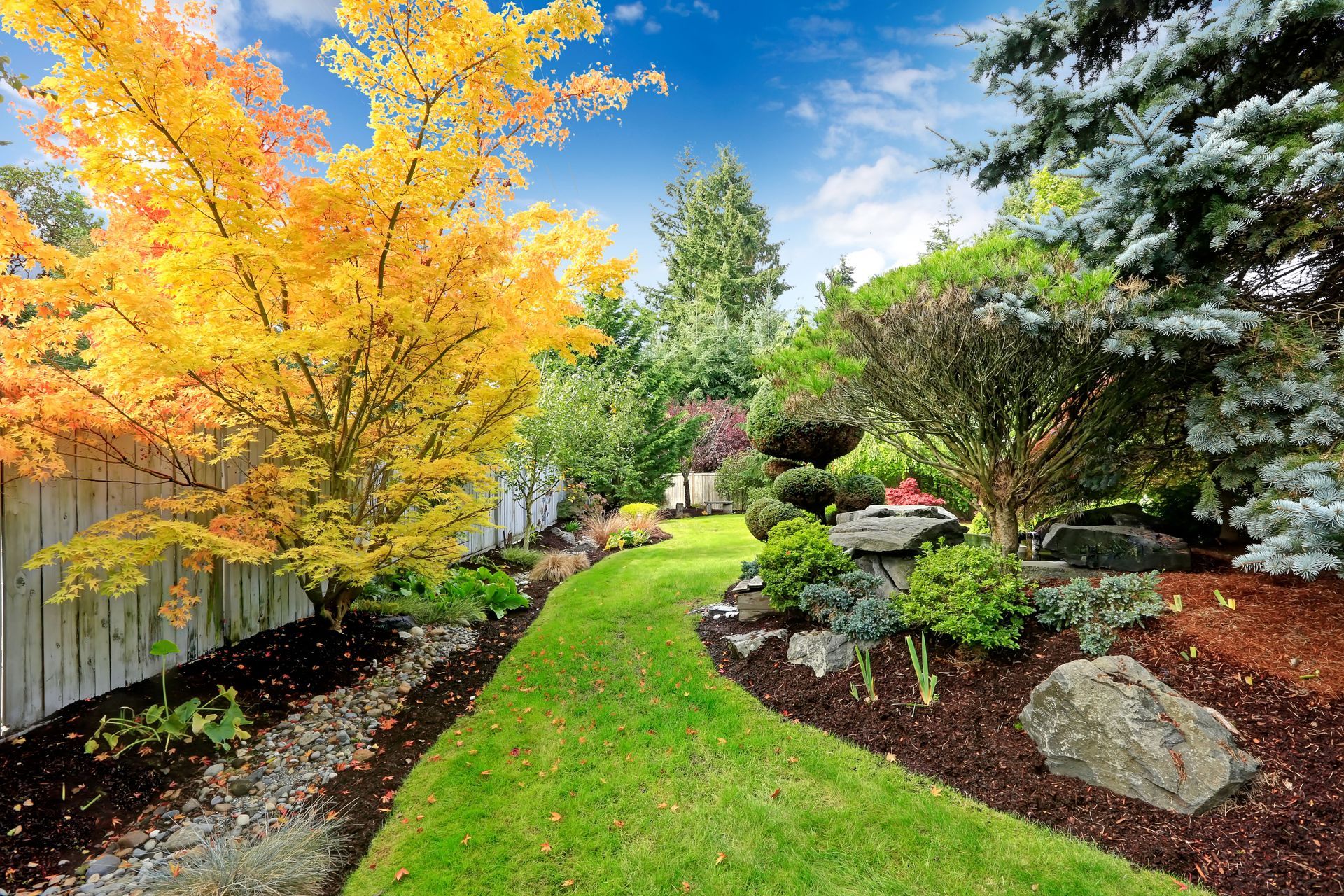
Beyond financial considerations, landscaping has a profound impact on how people feel within a space. Tranquil gardens, shaded retreats, and sensory-rich plantings create environments that support relaxation and emotional balance. These experiences add intangible value that often influences buyer decisions more strongly than measurable features alone.
A landscape that encourages mindfulness, social interaction, or quiet reflection enhances the overall quality of life associated with a property. Spaces designed for connection or solitude show how outdoor areas can serve diverse emotional needs. When buyers imagine themselves enjoying these moments, the property becomes more than a structure; it becomes a place where well-being is actively supported.
6. Offer Long-Term Economic Advantages
Strategic landscaping contributes to economic stability by supporting consistent property value over time. Mature plantings, durable materials, and low-maintenance designs age gracefully, helping properties remain attractive as trends shift and neighborhoods evolve. Rather than relying on short-lived visual trends, professionally planned landscaping emphasizes structure, balance, and adaptability, which allows outdoor spaces to retain their appeal for years. This longevity reduces the need for frequent redesigns or costly replacements while preserving a polished appearance that continues to align with buyer expectations.
Landscaping also influences resale outcomes by differentiating a property in crowded markets where many homes offer similar interior features. Buyers often associate cohesive landscaping with attentive ownership and responsible upkeep, creating a positive impression before detailed evaluations even begin. This perception can support stronger negotiating positions and shorter time on the market. When a landscape balances beauty, function, and sustainability, it reinforces confidence that the property has been thoughtfully maintained, positioning it as a reliable and appealing long-term investment.
7. Strengthen Overall Market Position
In competitive real estate environments, landscaping often serves as the deciding factor between comparable properties, especially when interior layouts and features appear similar. A cohesive outdoor design unifies visual appeal, usability, and performance, creating a first impression that feels polished and intentional rather than generic. Well-defined spaces, balanced plant selections, and thoughtful transitions between outdoor areas help buyers quickly understand how the property functions as a whole. This holistic approach elevates the listing by presenting the property as complete and well-considered, positioning it as a premium option instead of one that requires future improvement.
Strategic landscaping also signals foresight and professionalism, qualities that resonate strongly with discerning buyers and long-term investors. When outdoor spaces are aligned with the property’s architecture, scale, and intended use, they reinforce its strongest features while subtly reducing the impact of any limitations. This visual and functional alignment strengthens the property’s overall market position by creating clarity, consistency, and confidence. In this context, landscaping is clearly viewed not as an added expense, but as a value-driven asset that enhances perception, desirability, and competitive advantage.
Strategic landscaping influences property value in ways that extend far beyond appearance alone. By enhancing curb appeal, improving functionality, supporting environmental goals, increasing security, and enriching emotional experiences, landscaping becomes a powerful contributor to both immediate enjoyment and long-term returns. When outdoor spaces are approached with the same level of planning as interiors, they elevate the entire property experience. If you are ready to invest in landscaping that delivers meaningful value, we invite you to explore how we can bring that vision to life with Architerra.