May 22, 2026
Homeowners seek utility and beauty in exterior spaces. A barren backyard lacks purpose and fails to maximize property potential. Retaining walls, paved courtyards, and stone walkways add essential structure to an open landscape. Building these features requires knowledge of earth movement, material science, and spatial geometry. A well-planned exterior environment extends the usable living area of a residence. It creates distinct gathering zones while solving challenges like soil erosion. Achieving this balance of form and purpose demands professional intervention.
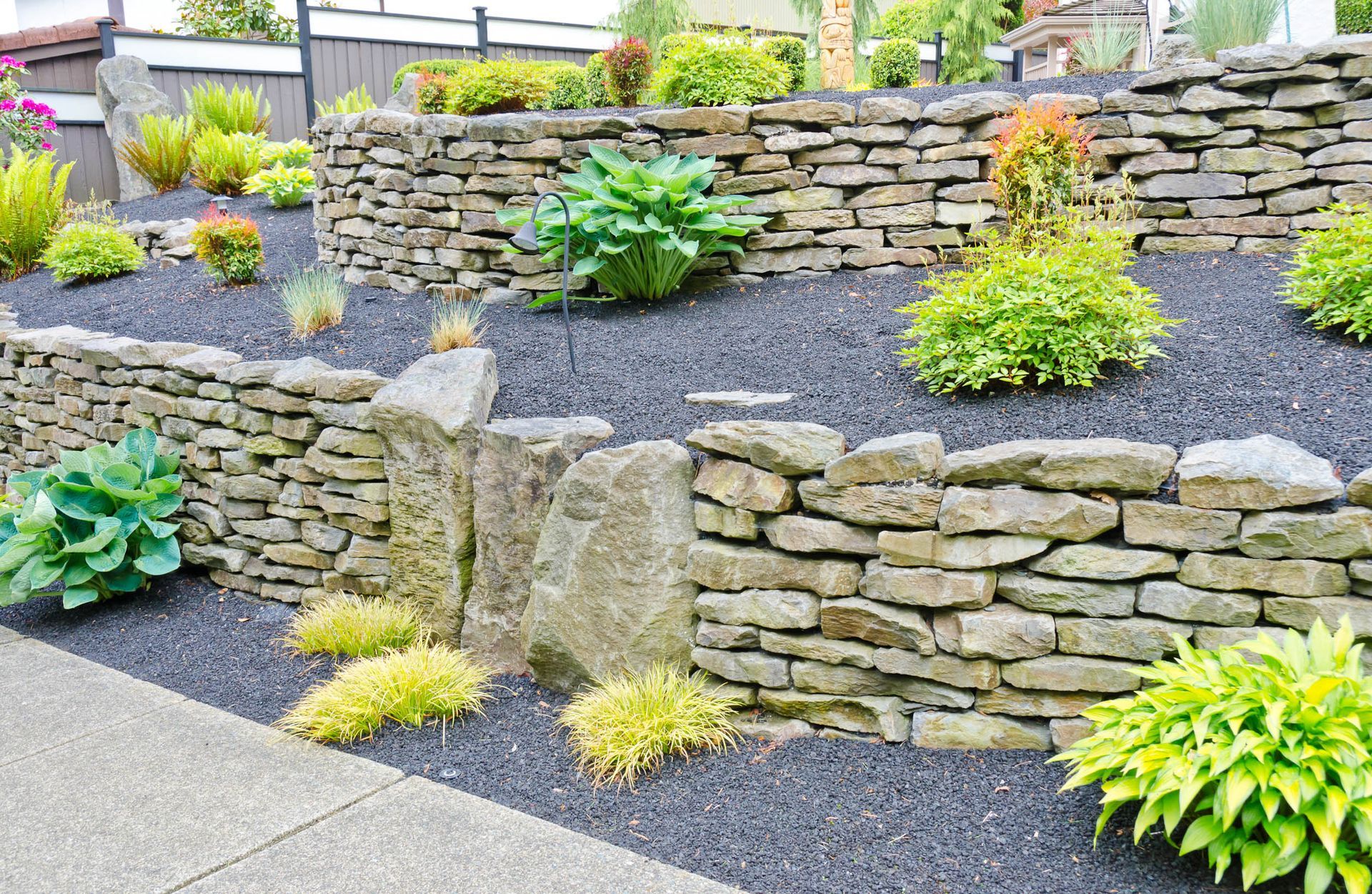
To translate abstract ideas into a tangible reality, hardscaping contractors construct foundational elements of a yard. They analyze terrain to build permanent, immovable features that anchor the space. These builders shape the ground, lay heavy stone, and manipulate water flow to protect the residence. Their expertise transforms unusable slopes into terraced gardens and muddy patches into elegant patios. The construction process involves meticulous planning, rigorous site preparation, and precise installation techniques. Understanding their methodology reveals the deep complexity behind durable exterior construction.
Assessing the Topography and Soil Composition
Every project begins with a comprehensive evaluation of the land. The ground dictates the physical possibilities and limitations of a site. Slopes and grades determine the path of water runoff. Evaluating the earth ensures structural integrity before digging commences. Soil testing reveals the bearing capacity of the dirt beneath the grass. Clay retains moisture, causing potential shifting during seasonal freeze cycles. Sandy dirt lacks the cohesion needed for heavy-weight loads.
Professional hardscaping contractors test ground composition to mitigate future risks. Proper assessment prevents subsequent settling of heavy materials. Without a firm base, massive stone features sink into the earth. Builders must calculate the depth of excavation required to reach stable subsoil. They measure the incline of the yard to plan necessary retaining structures. This initial reconnaissance dictates the scope of the entire construction effort and informs the material budget.
Terrain analysis highlights natural focal points within the yard. A steep incline offers clear opportunities for dramatic terracing and multi-level gardens. A flat expanse invites sprawling, open courtyards for gatherings. Recognizing these inherent traits allows builders to harmonize new additions with the existing environment. They note the position of mature trees to avoid severing critical root systems. They map sun exposure to determine ideal seating areas and shade requirements.
Documenting existing utilities forms another crucial part of site assessment. Hitting buried pipes or electrical wires causes catastrophic delays and safety hazards. Surveying property lines ensures all structures remain within legal boundaries and avoid zoning disputes. By gathering all site data, builders create a comprehensive risk profile for the site. This proactive strategy guarantees that final structures will not compromise the safety or stability of the residence.
Designing the Layout and Spatial Flow
Creating a sensible path through the environment requires strong vision and clear intent. Patios and walkways must connect disparate areas with functional logic. Movement between a back door and a fire pit needs clear, unobstructed routing. Division of zones gives the yard a defined purpose and organized feel. A cooking area requires proximity to the kitchen entrance. A lounge space needs distance from noisy street traffic.
Scale and proportion influence human comfort within the space. Massive retaining walls overwhelm a compact courtyard and create a claustrophobic atmosphere. Delicate brick pavers look lost in a sprawling lawn. Matching the size of features to the scale of the house creates visual harmony. The geometry of pathways guides foot traffic and dictates the pace of movement. Curved paths encourage strolling, while straight walkways provide direct access to destinations.
During this phase, hardscaping contractors draft blueprints of the intended space. They map the exact dimensions of each proposed element to ensure precise execution. This rigorous planning phase prevents costly mistakes during later construction stages. Blueprints illustrate the relationship between the built environment and the natural surroundings. They show where grass ends, where stone begins, and how planting beds integrate with solid surfaces.
Three-dimensional modeling helps clients visualize the final product before ground breaks. Seeing spatial flow on a screen clarifies design intent and sets realistic expectations. Adjustments to the layout happen here, before soil moves or materials arrive. Refining the design on paper saves labor and material costs down the line. The approved layout serves as the master guide for the duration of the physical project.
Selecting the Materials and Textures
Choosing appropriate components ensures longevity and aesthetic appeal. Stone, brick, and poured concrete offer distinct visual identities and structural benefits. The chosen material must withstand local weather conditions and bear anticipated weight loads. Driveways require dense pavers to support heavy vehicles without cracking. Pedestrian walkways accept thinner, delicate stones since foot traffic causes minimal stress. The selection process demands deep knowledge of material properties.
Defining the exact scope of these materials is a specific industry science. According to The Freedonia Group, their market research omits five categories of outdoor items, including traditional lumber decking and live vegetation, from their definition of hardscaping. This distinction highlights the focus on masonry, aggregates, and earth-retaining structures. Builders concentrate on non-living elements that provide the permanent framework of the yard.
With those specific exclusions in mind, hardscaping contractors source heavy materials suited for the local climate. Interlocking pavers resist cracking in freezing environments by flexing with ground movement. Poured concrete provides a sleek finish for contemporary homes and urban landscapes. Natural flagstone delivers a rustic, irregular appearance suitable for traditional or woodland settings. The selection process weighs ultimate durability against visual preferences.
Blending textures adds significant visual interest to the overall project design. Smooth river rock contrasts with rough-cut slate borders. Builders match house exterior colors to new patio elements for a seamless transition. Cohesion between home siding and patio stones unifies the entire property. Careful selection transforms a random collection of rocks into an intentional, cohesive, and stunning architectural design.
Managing the Installation and Drainage Systems
Moving from blueprints to reality requires heavy equipment and rigorous precision. Excavation removes soft topsoil and prepares the canvas for solid construction. Machines dig deep trenches to house essential utilities and hidden water management pipes. The depth of the dig depends on the climate frost line and the expected weight of the final structure. Proper base preparation prevents the foundation from heaving or sinking over the decades.
Water management dictates the survival of any outdoor structure. Rain ruins unsupported foundations over time by washing away the sub-base. Grading soil pushes moisture away from the home foundation and protects the basement. Creating a slight slope ensures water flows toward designated exit points in the yard. Without this slope, water pools on the patio surface, causing surface degradation, structural damage, and slipping hazards.
Permeable pavers and hidden trench drains mitigate heavy rainwater runoff. These smart solutions capture rain and return it to the aquifer beneath the surface, preventing municipal system overload. Proper management prevents soil erosion and muddy puddling in adjacent yard areas. Subsurface drainage pipes carry excess water to street drains or deep dry wells. Integrating these systems requires extensive knowledge of hydrology.
Throughout the active build, hardscaping contractors coordinate material deliveries and physical labor. They lay crushed gravel, compact the base with heavy tampers, and screed the bedding sand to a perfect level. Workers place each stone with care to maintain the designated geometric pattern. The final sweeping of polymeric sand locks joints into a rigid, unified surface that resists weed growth and pest intrusion.
Professional execution guarantees these exterior results endure the test of time and weather. Skilled hardscaping contractors bring vital expertise to every construction phase, from initial soil tests to final brick placement. Their precise work provides the permanent backbone of functional outdoor design. By shaping the earth and controlling the water, they create beautiful, usable spaces that families enjoy for generations without constant maintenance. The resulting landscape offers a perfect harmony of strength, beauty, and utility. To begin transforming your property with durable and elegant exterior structures, contact the experts at Architerra today. Our dedicated hardscaping contractors will guide your vision from the initial site assessment to the final installation.