November 19, 2026
Hardscaping plays an important role in creating attractive, functional outdoor spaces while addressing environmental challenges such as water drainage and soil erosion. Features like retaining walls, patios, walkways, and permeable paving provide structure while helping control how water moves across a property. When planned correctly, these elements protect surrounding landscapes, reduce runoff, and help maintain the stability of outdoor areas.
Understanding the Role of Hardscaping
Hardscaping refers to the non-living structural elements incorporated into landscape design. Common features include patios, retaining walls, stone walkways, driveways, terraces, and decorative stonework. These structures provide durable surfaces, define outdoor spaces, and offer practical solutions for properties with drainage or erosion concerns.
Material selection is an important part of successful hardscaping. Natural stone, concrete, brick, gravel, and permeable pavers each offer different advantages depending on the property's layout and environmental conditions. Permeable materials are particularly useful for drainage because they allow rainwater to pass through rather than collecting on the surface.
Hardscaping works alongside landscaping to create a balanced outdoor environment. While plants and trees contribute to soil stability and water absorption, constructed features provide additional support and direct water away from vulnerable areas. Experienced hardscaping contractors consider both elements when developing outdoor designs that are attractive and environmentally practical.
Improving Water Drainage Around Properties
Effective water management helps protect buildings, outdoor structures, and surrounding vegetation. When rainwater cannot drain properly, it may collect around foundations, damage paved surfaces, and contribute to soil erosion. Poor drainage can also create muddy areas, standing water, and conditions that make outdoor spaces difficult to use.
Proper grading is one of the most important considerations in managing water around a property. According to This Old House, when grading the area around your home's foundation, soil should be sloped away from the property about 6 inches over a distance of 10 feet. This slope helps direct water away from the foundation and reduces the potential for moisture-related damage.
Hardscape features can further improve drainage by directing runoff toward appropriate collection areas. Retaining walls, drainage channels, catch basins, and strategically positioned paved surfaces help control water movement. Professional hardscaping contractors evaluate the property's elevation, soil conditions, and existing drainage patterns before determining which features are appropriate.
Using Permeable Surfaces to Reduce Runoff
Traditional concrete and asphalt surfaces prevent much of the rainwater from entering the ground. When large areas are covered with these materials, water must travel across the surface until it reaches a drainage outlet. This can increase runoff and place additional pressure on existing drainage systems.
Permeable paving offers an alternative by allowing water to filter through small openings or spaces between materials. Gravel, permeable pavers, and specialized paving systems can reduce surface runoff while supporting groundwater replenishment. These materials are particularly useful for walkways, patios, and other outdoor areas where conventional paving might otherwise contribute to drainage problems.
The right combination of permeable and non-permeable materials depends on how an outdoor space will be used. Driveways and other high-traffic areas may require surfaces designed to support heavier loads, while decorative pathways and gathering spaces may accommodate more permeable options. Hardscaping contractors can evaluate these requirements and recommend materials that balance durability, appearance, and drainage performance.
Incorporating Drainage Features Into Hardscape Designs
Several hardscape features can help redirect excess water and prevent pooling. French drains, catch basins, drainage channels, and dry wells are commonly incorporated into outdoor designs to move water away from vulnerable areas. These systems can be particularly beneficial for properties with recurring drainage problems or uneven terrain.
Swales are another useful landscape feature. These shallow channels guide water toward designated drainage areas while reducing the speed at which runoff travels across the property. When combined with appropriate vegetation, they can also help filter sediment and support surrounding soil.
Retaining walls can incorporate drainage components that prevent water from building up behind the structure. Features such as drainage gravel and weep holes allow trapped water to escape, reducing pressure against the wall. Proper planning is essential because inadequate drainage can compromise retaining wall stability and contribute to costly structural problems.
Understanding the Causes of Soil Erosion
Soil erosion occurs when water, wind, or other forces gradually move soil from its original location. Heavy rainfall and concentrated runoff are common causes of erosion on residential and commercial properties. Sloped landscapes are particularly vulnerable because water can travel downhill with enough force to displace soil and damage surrounding areas.
Construction and other land disturbances can increase erosion risks by removing vegetation and exposing loose soil. Once topsoil begins washing away, plants may struggle to establish healthy root systems, making the affected area even more vulnerable. Continued erosion can also create uneven ground, expose foundations, and carry sediment into nearby drainage systems.
Hardscaping provides structural solutions that help stabilize vulnerable areas. Retaining walls, terraces, stone borders, and properly designed drainage systems can reduce water velocity and limit soil movement. Professional hardscaping contractors assess the severity of erosion and determine which structural features will provide appropriate support.
Stabilizing Slopes With Retaining Walls
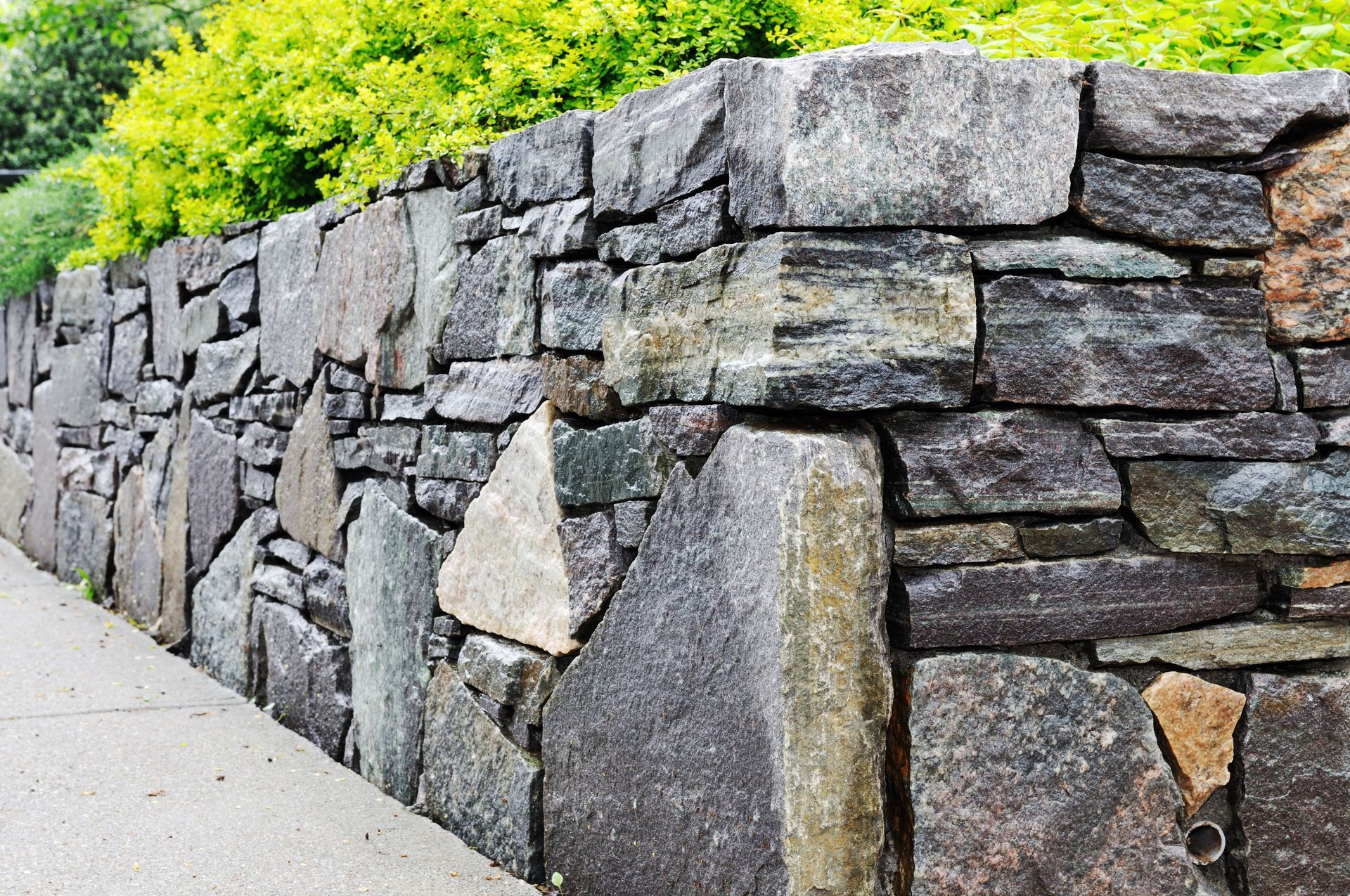
Retaining walls are among the most recognizable hardscaping features used to manage soil erosion. They hold soil in place, create more defined landscape levels, and help prevent earth from shifting downhill. These structures are particularly valuable for properties with steep slopes or significant elevation changes.
Retaining walls can be constructed from concrete blocks, natural stone, brick, and other durable materials. The appropriate material depends on the height of the wall, the amount of soil pressure it must support, and the property's overall design. A properly engineered structure can provide long-term stability while creating attractive transitions between different outdoor areas.
Drainage is important when retaining walls are used for erosion control. Water accumulating behind a wall increases pressure and can contribute to cracking, shifting, or structural failure. Experienced hardscaping contractors account for drainage requirements, soil conditions, and structural support when planning these installations.
Creating Terraces for Uneven Landscapes
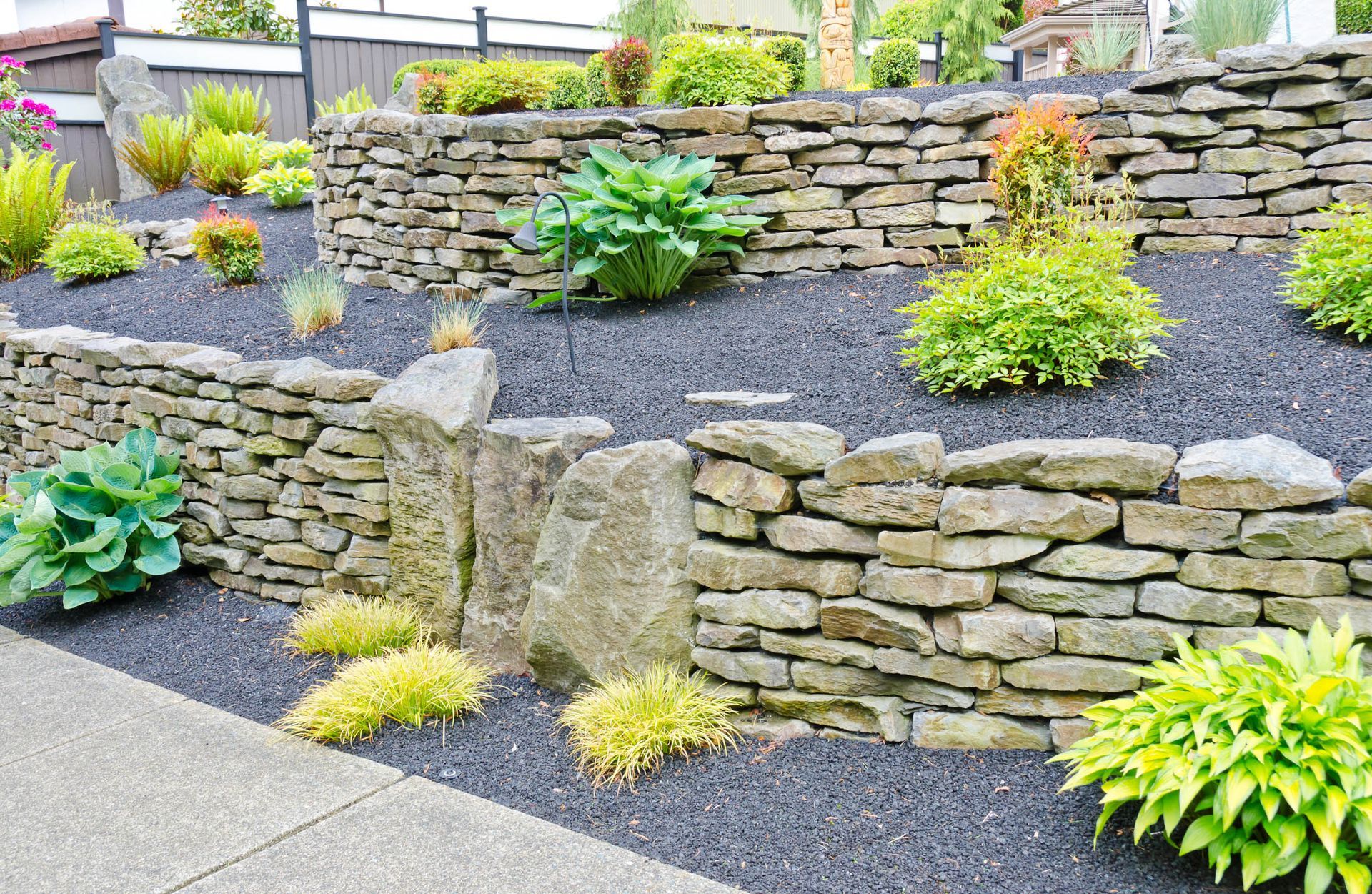
Terracing is another effective approach to managing erosion on sloped properties. Rather than allowing a continuous incline to carry water downhill, terraces divide the slope into multiple flatter sections. These levels reduce the distance water can travel uninterrupted and create more stable areas throughout the landscape.
Terraced designs can also improve the functionality of properties with challenging elevation changes. They provide defined spaces for patios, seating areas, walkways, and landscaped sections. Stone walls and other structural features help separate each level while contributing to the overall appearance of the property.
The success of a terraced landscape depends on proper planning and construction. Each level must account for soil pressure, drainage, and the amount of water that may move through the area during heavy rainfall. Professional hardscaping contractors can develop terraced layouts that address these conditions while complementing the property's architecture.
Protecting Soil With Integrated Landscape Features
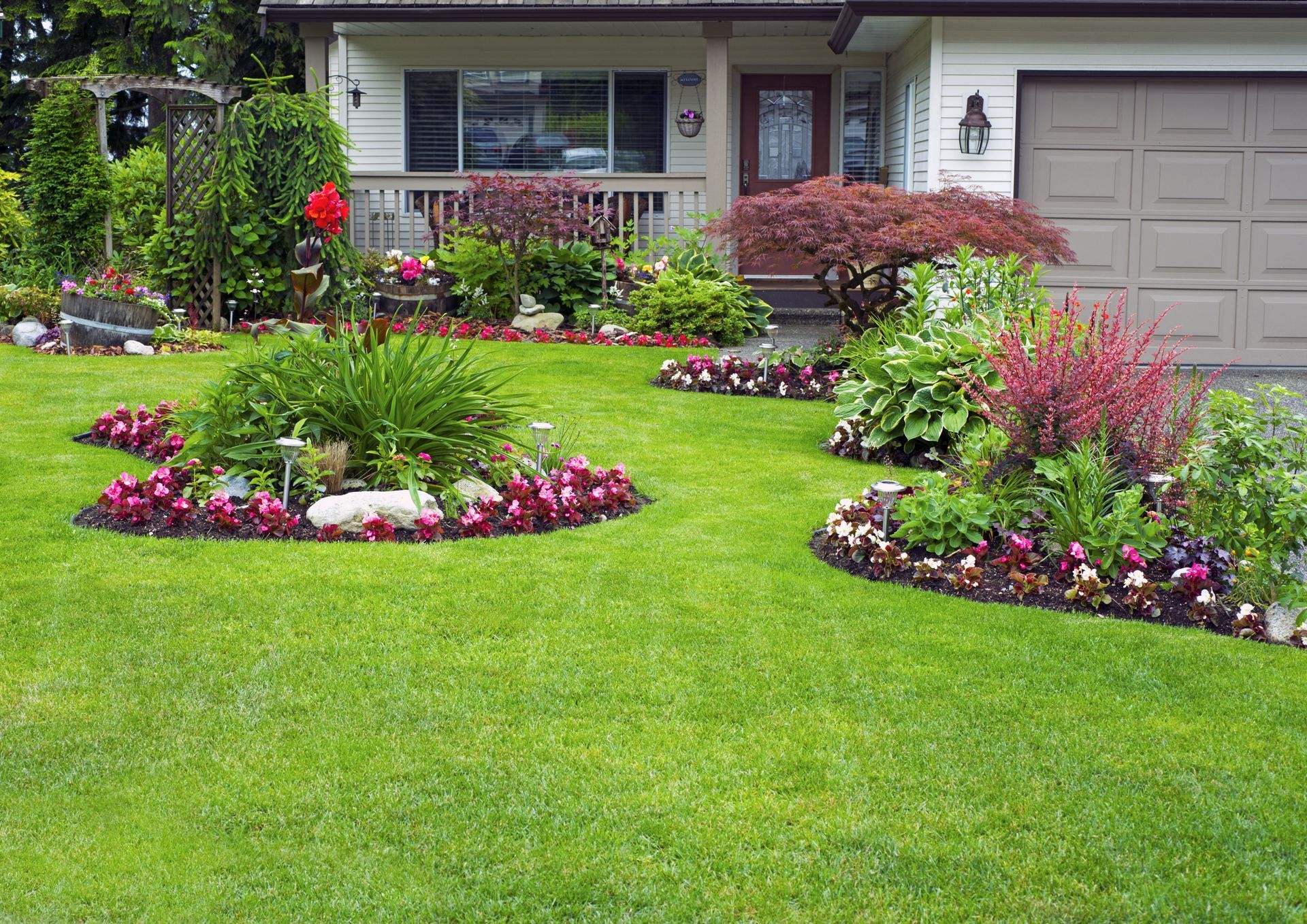
Although hardscaping relies on constructed elements, it can work alongside vegetation to provide additional erosion protection. Trees, shrubs, and groundcover plants help stabilize soil through their root systems. When incorporated around retaining walls, pathways, and terraces, vegetation can soften the appearance of hardscape structures while supporting the surrounding environment.
Stone borders and landscape edging can also help define planting areas and limit soil movement. These features provide separation between different outdoor surfaces and help maintain a more organized landscape. Their placement should account for natural water movement to avoid creating unintended drainage problems.
Maintaining Long-Term Drainage and Erosion Control
Drainage and erosion control require attention beyond the initial installation of hardscape features. Heavy rainfall, shifting soil, and seasonal weather changes can affect the performance of retaining walls, paved surfaces, and drainage systems. Regular professional evaluations help identify developing problems before they result in significant property damage.
Drainage outlets should remain functional, and retaining walls should be monitored for signs of movement or deterioration. Standing water, newly formed erosion channels, and changes in the surrounding ground may indicate that an existing drainage system is no longer performing as intended. Addressing these concerns preserves the investment made in outdoor improvements.
Material durability also influences long-term performance. Natural stone, concrete, and quality pavers can provide lasting structural benefits when properly selected and installed. Working with experienced hardscaping contractors helps property owners make informed decisions about materials, drainage features, and construction methods.
Architerra can help transform outdoor spaces with hardscape designs that balance appearance, functionality, and long-term landscape stability. Contact Architerra to discuss your property's needs and explore professional hardscaping solutions that support effective drainage and erosion control.