November 21, 2026
Winter weather brings undeniable beauty to commercial landscapes, yet the arrival of snow and ice quickly transforms familiar walkways, parking lots, and entryways into hazardous zones. For property managers and business owners, maintaining safe grounds during freezing temperatures is a fundamental responsibility that protects employees, visitors, and daily operations. Investing in commercial snow removal is one of the most effective ways to uphold safety standards throughout the coldest months of the year. Rather than viewing winter maintenance solely as a routine property chore, organizations should recognize it as a vital layer of risk management and community care. Even a single unaddressed storm can create immediate liabilities and disrupt normal business activities across an entire facility. When winter conditions escalate rapidly, having a dedicated plan in place prevents minor weather events from turning into major operational setbacks. Understanding the multifaceted safety advantages of proactive snow and ice management highlights why dependable winter care is essential for every commercial facility.
Preventing Slips, Trips, and Falls on Commercial Properties
Slippery surfaces represent one of the most frequent causes of workplace and public injuries during winter. Even a thin layer of packed snow or hidden black ice can cause sudden falls, resulting in sprains, fractures, or head injuries. Professional commercial snow removal addresses these risks systematically by clearing high-traffic areas before business hours begin and monitoring surfaces as weather conditions evolve.
Clearing Sidewalks and Building Entrances
Pedestrian pathways require consistent attention because foot traffic rapidly compresses fresh snowfall into slick, uneven sheets of ice. Thorough clearing of sidewalks, ramps, stairs, and main entrances ensures that employees and guests can transition safely from their vehicles into the building. Removing snow down to the pavement surface minimizes tripping hazards and keeps accessibility routes open for individuals using mobility aids.
Treating Pavement With Deicing Materials
Mechanical plowing and shoveling remove bulk accumulation, but residual moisture can quickly refreeze when temperatures drop overnight. Applying appropriate salting and deicing materials prevents ice bonding and maintains traction across concrete and asphalt surfaces. Strategic treatment before and after winter storms stops hazardous glaze from forming on heavily traveled walkways and loading zones.
Improving Vehicular Safety Across Parking Lots and Driveways
Commercial properties accommodate steady streams of passenger vehicles, delivery trucks, and service vans every day. Lots and icy drive lanes that have not been plowed compromise tire traction, increase stopping distances, and obscure painted traffic markings. Consistent commercial snow removal keeps vehicular zones navigable and reduces the likelihood of low-speed collisions and fender benders on company grounds.
Maintaining Clear Drive Lanes and Turning Radii
When snow accumulates along curbs and intersections within a parking facility, travel lanes narrow and sightlines diminish. Clearing full-width drive aisles and corners allows drivers to navigate turns smoothly without encroaching into oncoming lanes or parked vehicles. Proper snow placement also ensures that large snow piles do not block driver visibility at property entrances and exits.
Protecting Access for Emergency Vehicles
Unobstructed access routes are critical when medical, fire, or security personnel need to reach a commercial building quickly. Dedicated winter maintenance keeps fire lanes, hydrants, and emergency exits completely free of snowdrifts and ice blockages. In urgent situations, clear roadways save valuable minutes and support rapid response times.
Protecting Public Health and Reducing Community Hazards
Beyond individual property boundaries, coordinated winter maintenance contributes to broader public safety across neighborhoods and business districts. According to Market.us, professional and municipal snow removal in the US prevents over 1,300 deaths and 116,800 injuries annually. When commercial properties keep their surrounding sidewalks, shared access roads, and parking areas clear, they reinforce local municipal efforts and create safer corridors for commuters and pedestrians alike.
Supporting Safer Commutes for Employees and Visitors
Many winter accidents occur during the transition between public roadways and private commercial lots. Smooth, well-maintained entry aprons and parking spaces reduce sudden braking and skidding as drivers pull off busy streets. Employees arrive at work with greater peace of mind when they know the parking environment is actively managed throughout winter storms.
Minimizing Physical Strain for On-Site Staff
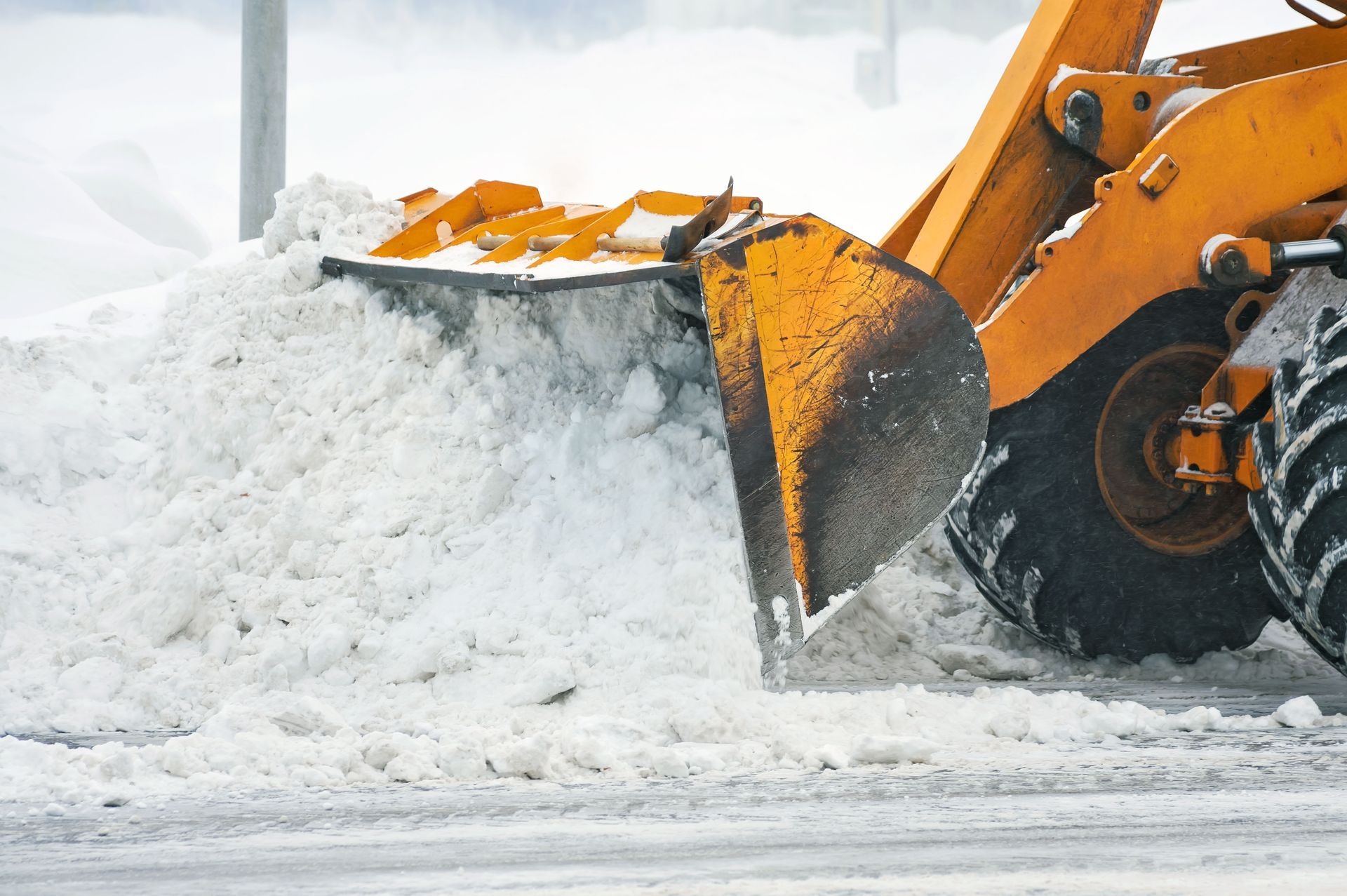
Clearing heavy, wet snow demands intense physical exertion in freezing conditions, which can place sudden cardiovascular and musculoskeletal strain on untrained staff members. Relying on commercial snow removal spares internal maintenance teams and office personnel from performing strenuous clearing tasks with inadequate equipment. Using specialized trucks, plows, and front loaders allows trained operators to clear large areas efficiently without exposing building staff to unnecessary physical risk.
Preserving Structural Integrity and Property Infrastructure
Winter weather affects more than immediate foot and vehicle traffic; unchecked snow and ice can gradually damage the physical structures that keep a property safe. Heavy accumulation places excessive weight on roofs, canopies, and awnings, while repeated freeze-thaw cycles deteriorate pavement and drainage systems. Ongoing commercial snow removal protects both the immediate safety of occupants and the long-term stability of exterior infrastructure.
Preventing Drainage Blockages and Refreezing Runoff
When daytime temperatures rise slightly, melting snow flows toward storm drains and catch basins. If snow piles block these drainage points, meltwater pools across parking lots and walkways, refreezing into expansive sheets of ice once the sun sets. Strategic clearing keeps drains open so runoff exits the property properly rather than creating recurring slip hazards.
Reducing Surface Deterioration and Pothole Formation
Water that seeps into small pavement cracks expands when it freezes, widening fissures and creating uneven surfaces that pose tripping and vehicle hazards well into spring. Timely snow clearing and targeted salting limit prolonged moisture exposure on asphalt and concrete. Maintaining smooth, intact pavement surfaces supports safer pedestrian and vehicular movement year-round.
Strengthening Operational Continuity and Workplace Readiness
Severe winter storms frequently disrupt business schedules, supply chains, and customer access. A structured approach to commercial snow removal helps organizations maintain predictable, safe operations even during challenging weather events. By establishing clear protocols for storm monitoring, snow clearing, and post-storm ice management, businesses reduce sudden closures and keep essential services running smoothly.
Establishing Proactive Storm Response Protocols
Effective winter safety relies on preparation rather than reaction. Monitoring weather forecasts and deploying equipment before heavy accumulation occurs prevents snow from becoming compacted and difficult to remove. Proactive scheduling ensures that parking spaces and walkways are cleared and salted before the workday starts, minimizing disruption for morning shifts and early visitors.
Promoting Confidence and Accountability Across the Property
When visitors, tenants, and employees step onto a well-maintained property during a winter storm, they immediately notice the commitment to their well-being. Clear pathways, visible salt coverage, and neatly stacked snow piles demonstrate attentive property stewardship. Consistent commercial snow removal fosters a secure environment where everyone on-site can focus on their daily responsibilities without worrying about preventable winter hazards.
Winter weather will always present seasonal challenges, yet thoughtful preparation turns potential hazards into manageable conditions. Prioritizing
commercial snow removal protects pedestrians from slips and falls, keeps parking lots and emergency lanes accessible, preserves vital property infrastructure, and supports broader community safety. By treating snow and ice management as an essential component of facility care, businesses create safer, more resilient environments throughout the entire winter season. Partnering with experienced winter maintenance professionals ensures that your property remains prepared before, during, and after every snowfall. Consistent attention to exterior conditions ultimately safeguards both the people who visit your facility and the long-term value of your investment. To prepare your commercial grounds for upcoming winter weather, reach out to Architerra today to schedule dependable snow and ice management for your property.